Wellness Without Overwhelm: Creating Sustainable Self-Care Routines
A gentler approach to building supportive wellness habits that actually fit everyday life.
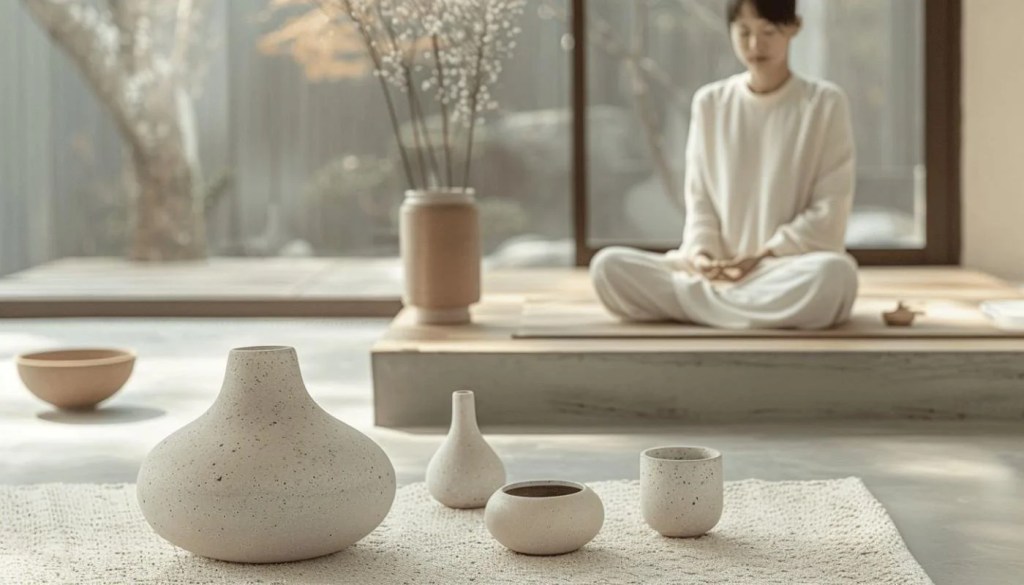
Wellness is often presented as an endless checklist of routines, habits, supplements, schedules, and expectations. For many people, that pressure can quickly turn self-care into another source of stress rather than support. But wellness does not need to feel overwhelming to be meaningful. Sustainable self-care is often built through small, supportive habits that fit naturally into everyday life — not through perfection, pressure, or constantly trying to do more. Creating routines that feel calming, realistic, and approachable can help wellness become something that supports you instead of something that exhausts you.
1. Start Smaller Than You Think You Need To
One of the biggest reasons wellness routines become unsustainable is trying to change everything all at once. Gentle wellness practices often work best when they begin simply. Instead of creating a complicated routine, start with one small supportive habit:
- drinking water before coffee
- taking a short walk
- journaling for five minutes
- stretching in the morning
- going to bed slightly earlier
- spending a few moments outside
Small habits practiced consistently can create meaningful shifts over time.
2. Let Wellness Support Your Life — Not Control It
Wellness should feel supportive, not restrictive. If routines begin creating guilt, pressure, or exhaustion, they may no longer be serving your well-being. Sustainable self-care often looks flexible rather than rigid. Some days wellness may look like:
- nourishing meals
- movement
- journaling
- intentional routines
Other days it may simply look like:
- resting
- slowing down
- drinking water
- allowing yourself space to recover
Both are valid forms of care.

3. Release the Pressure to Do Everything Perfectly
Perfectionism can quietly turn wellness into another form of stress. Missing a routine, forgetting a habit, or needing rest does not mean you have failed. Supportive wellness allows room for:
- imperfect days
- changing energy levels
- emotional fluctuations
- flexibility
- rest
Gentle consistency matters far more than rigid perfection.
4. Create Routines Around How You Want to Feel
Instead of focusing only on productivity or achievement, consider building routines around emotional support and nervous system wellness. Ask yourself:
- What helps me feel grounded?
- What helps me feel calm?
- What helps me feel supported?
- What routines leave me feeling nourished instead of depleted?
Wellness becomes more sustainable when it is connected to care rather than pressure.
5. Prioritize Rest as Part of Wellness
Rest is often treated as something that must be earned after productivity. In reality, rest is an important part of maintaining emotional, mental, and physical well-being. Rest may include:
- sleep
- quiet moments
- reduced stimulation
- saying no
- time away from screens
- slowing your schedule
- allowing yourself pauses throughout the day
Rest is not laziness.
It is support.
6. Choose Gentle Habits That Feel Realistic
A sustainable routine should feel approachable enough to continue during both calm and stressful seasons of life. Simple supportive habits may include:
- preparing nourishing meals
- creating an evening wind-down routine
- journaling regularly
- spending time outdoors
- reducing overstimulation
- drinking calming tea
- practicing mindfulness
- moving your body gently
Supportive routines do not need to be extreme to be meaningful.

7. Create Space for Slower Moments
Many people move through life constantly multitasking, rushing, and overstimulated. Creating even small moments of slowness can help encourage emotional balance and nervous system support. This may look like:
- sitting quietly before starting the day
- drinking tea without distractions
- slowing down your evening routine
- taking intentional pauses between tasks
- spending time in nature
- putting away your phone for a while
Small moments of stillness often create space for reconnection.
8. Allow Wellness to Evolve With You
Your needs will change over time, and your routines can change too. A wellness practice that once felt supportive may eventually need adjustment. Sustainable self-care allows flexibility and growth instead of rigid rules. Giving yourself permission to adapt routines based on your current season of life can help wellness remain supportive long-term.
Final Thoughts
Wellness does not need to feel overwhelming to be meaningful. Small supportive habits, gentle routines, intentional pauses, and moments of rest can create a strong foundation for sustainable well-being over time. The goal is not to create a perfect life or follow every wellness trend. The goal is to build supportive practices that help you feel more grounded, balanced, and cared for in everyday life.
Continue Exploring Gentle Wellness
Discover grounding rituals, reflective wellness tools, and intentional routines designed to support restorative living and everyday balance.
[ Explore the Apothecary ]
[ Browse Journals ]
Stay Rooted
Receive gentle wellness inspiration, grounding rituals, seasonal reflections, and thoughtful updates delivered softly to your inbox.
© 2026 all rights reserved.


Leave a comment